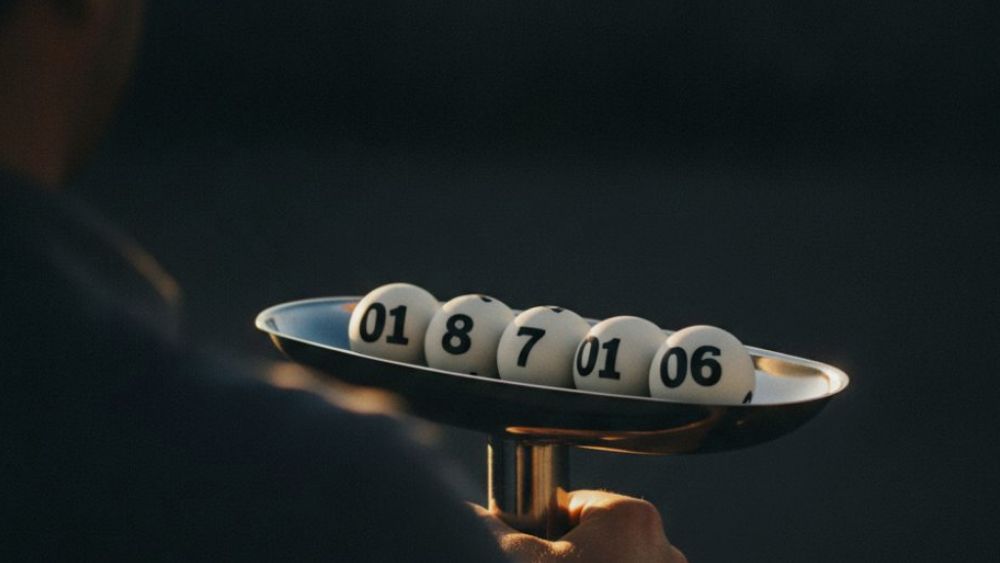
Two Ways a Jackpot Grows — Only One Is a True Rollover
Ask ten players at a Batangas lotto outlet how a jackpot gets big and you'll hear ten versions of the same story. Most of them are half right. The truth is that a PCSO jackpot climbs in two different ways, and only one of them is technically a rollover.
Sale-funded growth happens on every draw. A fixed share of each ticket sold goes into the prize pool. More bettors, bigger pool — no winner required. That is why the pot can creep from ₱17 million to ₱19 million even after a single draw night.
Carryover growth is the dramatic one. When a draw produces zero winners in the top prize tier, the entire advertised jackpot is not kept by PCSO and it does not expire. It is transferred — carried over — to the next scheduled draw, on top of whatever new sales add. That transfer is what people mean when they say a jackpot "rolled over."
So a ₱60 million pot with no winner does not become ₱0. It becomes the starting point for the next draw, plus fresh sales. Roll it over three or four times and you get the headlines: ₱100 million, ₱150 million, occasionally the ₱200 million range that turns every sari-sari store counter into a betting station.
Why Some Games Roll and Others Rarely Do
Not every PCSO game carries over at the same speed. The mechanics are identical, but the odds decide how often a rollover can even happen.
6/42 and 6/45 — the frequent rollers
Lotto 6/42 and Mega Lotto 6/45 have the friendliest odds of the major games. With more winners hitting more regularly, jackpots reset often — but when they miss, the carryover is usually modest because the base pot is smaller.
6/49, 6/55, 6/58 — the slow burners
Super Lotto 6/49, Grand Lotto 6/55 and Ultra Lotto 6/58 are where nine-figure pots live. The chance of matching all six numbers is tiny, so draws can pass without a top-tier winner for weeks. Each miss stacks the prize higher. Ultra Lotto has produced some of the largest carryovers in PCSO history precisely because its odds are the longest.
Digit games behave differently
EZ2, Swertres and 4D have far more winners per draw, so their top prizes rarely balloon into the tens of millions. Carryovers exist, but they are smaller and shorter-lived. If you are chasing a headline jackpot, you are watching the 6-number games.
Rule of thumb: the longer the odds, the longer a jackpot can roll. Patience is baked into the math.
The Minimum Jackpot and the Cap That Ends the Roll
Two numbers matter more than any tip sheet when you are tracking a carryover.
The first is the minimum guaranteed jackpot. PCSO sets a floor for each game — commonly ₱16 million for 6/42 and 6/45, ₱50 million for 6/49 and 6/55, and around ₱50 million for 6/58. If a draw happens and the pot somehow sits below the floor, it is topped up to the minimum. This is why you will never see a major lotto jackpot advertised at ₱3 million.
The second is the cap. Under the current PCSO charter, once a jackpot reaches a set ceiling — historically ₱500 million — the game switches to a mandatory split. No winner at the cap means the prize is distributed to the next lower tier of winners instead of rolling again. That is the hard stop. The roll ends, the pot empties, and the next draw starts fresh from the minimum.
In practice, very few games ever touch the ceiling. But knowing the cap exists tells you something useful: a jackpot cannot grow forever, so a very large pot is also a very old pot — one that has survived many draws without a winner.
What a Carryover Actually Does to Your Expected Value
Here is where a lot of players get the logic backwards. They assume a bigger jackpot means a better bet. In raw expected-value terms, that is partly true — but not for the reason most people think.
Your probability of matching all six numbers does not change when the jackpot grows. 6/58 is 1 in 40,475,358 whether the prize is ₱50 million or ₱500 million. What changes is the payout attached to that fixed probability. A carryover adds money to the numerator without touching the denominator. So yes, a rolled-over jackpot is mathematically a slightly better deal than a fresh minimum pot.
But two things flatten that edge:
- Ticket sharing. Huge jackpots attract millions of extra bets. If you win alongside three or four other winners, the pot is divided, and your share shrinks fast. The bigger the hype, the higher the chance you split.
- Tax. PCSO prizes above ₱10,000 are subject to the 20% final tax on winnings under the TRAIN law. A ₱100 million jackpot pays out ₱80 million net. That is still life-changing, but it is not the number on the billboard.
None of this means you should avoid rollover draws. It means the smarter play is consistency and budget control, not panic-buying twenty tickets because the pot crossed ₱200 million.
How to Track a Rollover Without Getting Fooled Online
If a page is promising you a "guaranteed rollover system," close the tab.
Jackpots roll based on draw outcomes, not patterns. Nobody can predict a miss. What you can do is follow the actual numbers.
- Check the official draw results the same night. PCSO draws air in the evening, and verified results confirm whether a top-tier winner was recorded. No winner on record equals a carryover.
- Compare the advertised jackpot to the previous one. If it jumped by more than normal sales would explain, a carryover happened. If it dropped to the minimum, someone won.
- Watch the number of winners, not just the prize. Two winners splitting a ₱120 million pot each take home ₱48 million after tax — a very different story from a solo win.
- Ignore "hot" and "cold" number theories. Every combination has identical odds. A carryover changes the prize, never the probability.
Keeping a simple log of draw dates, jackpot amounts and winner counts gives you a clearer picture than any forum thread. It also stops you from believing that a jackpot is "due" — it is not. It simply has not been hit yet.
Playing a Rollover Draw the Sensible Way
A carryover is genuinely exciting, and there is nothing wrong with buying a ticket for a big draw. The discipline is in the size of the bet, not the size of the pot.
Set a fixed amount before you leave the house — ₱20, ₱100, whatever fits your budget — and treat it as entertainment spending, not investment. Choose your numbers however you like: birthdays, quick pick, or your lucky sari-sari store time. It makes no mathematical difference, and the quick pick option is exactly as likely as any hand-picked line.
Keep your tickets safe and sign the back. If the unthinkable happens and your numbers come out, an unsigned ticket is a dispute waiting to happen, and PCSO requires the prize to be claimed within one year from the draw date.
Then let the rollover do its thing. The jackpot will grow because nobody won, or it will reset because somebody did. Either way, the math was always the same — and the fun was never really about the odds.