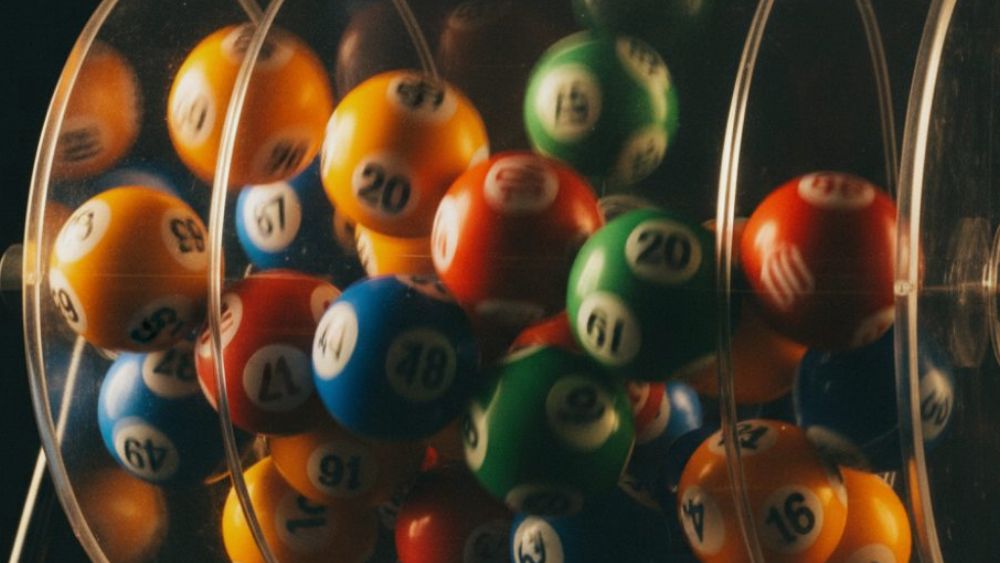
What Happened on 10/5/2026: No Winner, Bigger Jackpot
On October 5, 2026, the Philippine Charity Sweepstakes Office (PCSO) held its regular draw for major lotto games. For the second consecutive draw, no one matched all six numbers in the 6/55 Grand Lotto, pushing the jackpot above ₱50 million. The same happened in the 6/45 Mega Lotto, which now sits at ₱20 million. This isn't unusual—it's basic probability. The odds of winning the 6/55 jackpot are 1 in 28,989,675. With millions of tickets sold, it's still likely no one hits the exact combination.
When there's no winner, the jackpot rolls over to the next draw. That means the prize pool increases, often by the amount that would have been paid out. For the 10/8/2026 draw, the 6/55 jackpot is now estimated at ₱55 million, and the 6/45 at ₱23 million. If you're planning to play, this is the time to understand how rollovers work and how to make smarter picks.
The Math Behind Jackpot Rollovers
Rollovers aren't magic—they're arithmetic. Each PCSO lotto game has a fixed percentage of sales allocated to the prize pool. For 6/55, 55% of ticket sales go to prizes, with the jackpot getting a significant chunk. When no one wins, that portion is added to the next draw's jackpot. The base jackpot starts at ₱50 million for 6/55 and ₱8 million for 6/45, but it grows with each rollover.
Let's break it down with a hypothetical: If ₱100 million in tickets are sold for a 6/55 draw, ₱55 million goes to prizes. Of that, about ₱20 million might be allocated to the jackpot (the rest goes to lower tiers). If no one wins, that ₱20 million is carried over. Add the new draw's base and sales, and the jackpot can balloon quickly. After three rollovers, it's not uncommon to see a 6/55 jackpot exceed ₱100 million.
Tip: The bigger the jackpot, the more tickets are sold, which means more competition if you win. But the payout is also higher.
For the 10/5/2026 draw, the 6/55 jackpot was ₱50 million. With no winner, it rolls to ₱55 million for 10/8/2026. The 6/45 jackpot was ₱18 million, now ₱23 million. These are conservative estimates; actual amounts depend on sales.
Why Smart Bettors Pay Attention to Rollovers
Rollover draws attract more players, which means larger prize pools but also more people sharing the jackpot if multiple winners emerge. However, the expected value (EV) of a ticket can actually increase with rollovers because the jackpot grows faster than the odds of splitting. For example, if the jackpot doubles but ticket sales only increase by 50%, your EV per peso spent improves.
But it's not just about the jackpot. PCSO also increases lower-tier prizes during rollovers? Not exactly—lower-tier prizes are fixed. However, more players mean more winners in those tiers, so the prize amounts remain the same but are shared among more people. That's why seasoned bettors often focus on the jackpot during rollovers.
Another factor: the 'jackpot fatigue' effect. After several rollovers, some players drop out, assuming they'll never win. That reduces competition. If you play consistently, you might have a better chance when others give up.
Smart Picks for the Next Draw
While lotto is a game of chance, some strategies can improve your experience. Here are a few tips for the upcoming draw on 10/8/2026:
- Mix hot and cold numbers: Check the frequency of numbers over the last 30 draws. Numbers that haven't appeared in a while (cold) might be due, while hot numbers tend to cluster. For 6/55, 42 and 17 have been hot in 2026, while 3 and 55 are cold.
- Avoid popular combinations: Many players choose numbers like 1-2-3-4-5-6 or dates (1-31). If you win with these, you'll share with dozens. Instead, use numbers above 31 to reduce the chance of splitting.
- Play with a system: Use a lotto wheel or system to cover more combinations. For example, a 12-number wheel for 6/55 costs ₱9,240 (at ₱20 per ticket) but covers 924 combinations. That's a 0.0032% chance of hitting the jackpot—still tiny, but better than a single ticket.
- Join a lotto pool: Pooling money with friends or colleagues lets you buy more tickets without breaking the bank. Just ensure you have a written agreement on how winnings are split.
Remember, no strategy guarantees a win. Play within your means and treat it as entertainment.
Responsible Play and Where to Buy Tickets
PCSO lotto tickets are sold at authorized outlets nationwide. Each ticket costs ₱20 for the standard play. You can also play online through PCSO's official app or website, but be wary of unauthorized sites. Only trust platforms with PCSO accreditation.
If you win, prizes up to ₱10,000 can be claimed at any PCSO outlet. For larger amounts, you'll need to go to the PCSO main office in Mandaluyong or a regional office. Bring valid ID and the winning ticket. Taxes: 20% for prizes over ₱10,000, as per TRAIN law.
Set a budget before you play. A common rule is to spend no more than 1% of your monthly income on lotto. If you feel you're losing control, PCSO offers self-exclusion programs and support hotlines.